The Role of Plants in Pond Health: Floating, Marginal & Submerged
A healthy pond or lake is not just about clear water and happy fish—it’s also about balance. One of the most effective and natural ways to create and maintain this balance is by adding the right mix of aquatic plants. Floating, marginal, and submerged plants each play a unique role in improving pond health, supporting water clarity, and reducing algae growth.
At My Natural Pond we do not sell plants but we specialize in natural solutions for pond and lake owners, from solar pumps to natural algae control products. In this guide, we’ll explore how aquatic plants benefit your pond and lake ecosystem and how they work hand in hand with products our natural pond aldn lake treatments and solar aeration systems to keep your water feature thriving.
Why Plants Are Essential for Pond Health
Plants do much more than add beauty to a pond—they act as natural filters. By absorbing nutrients such as nitrogen and phosphates, aquatic plants reduce the “fuel” that algae needs to grow. They also provide shade, limiting sunlight penetration and discouraging algae blooms.
When combined with natural algae treatments and aeration, plants create an ecosystem where water remains clear, oxygen levels stay high, and fish like koi carp and goldfish can thrive.
Floating Plants: Nature’s Sunshades
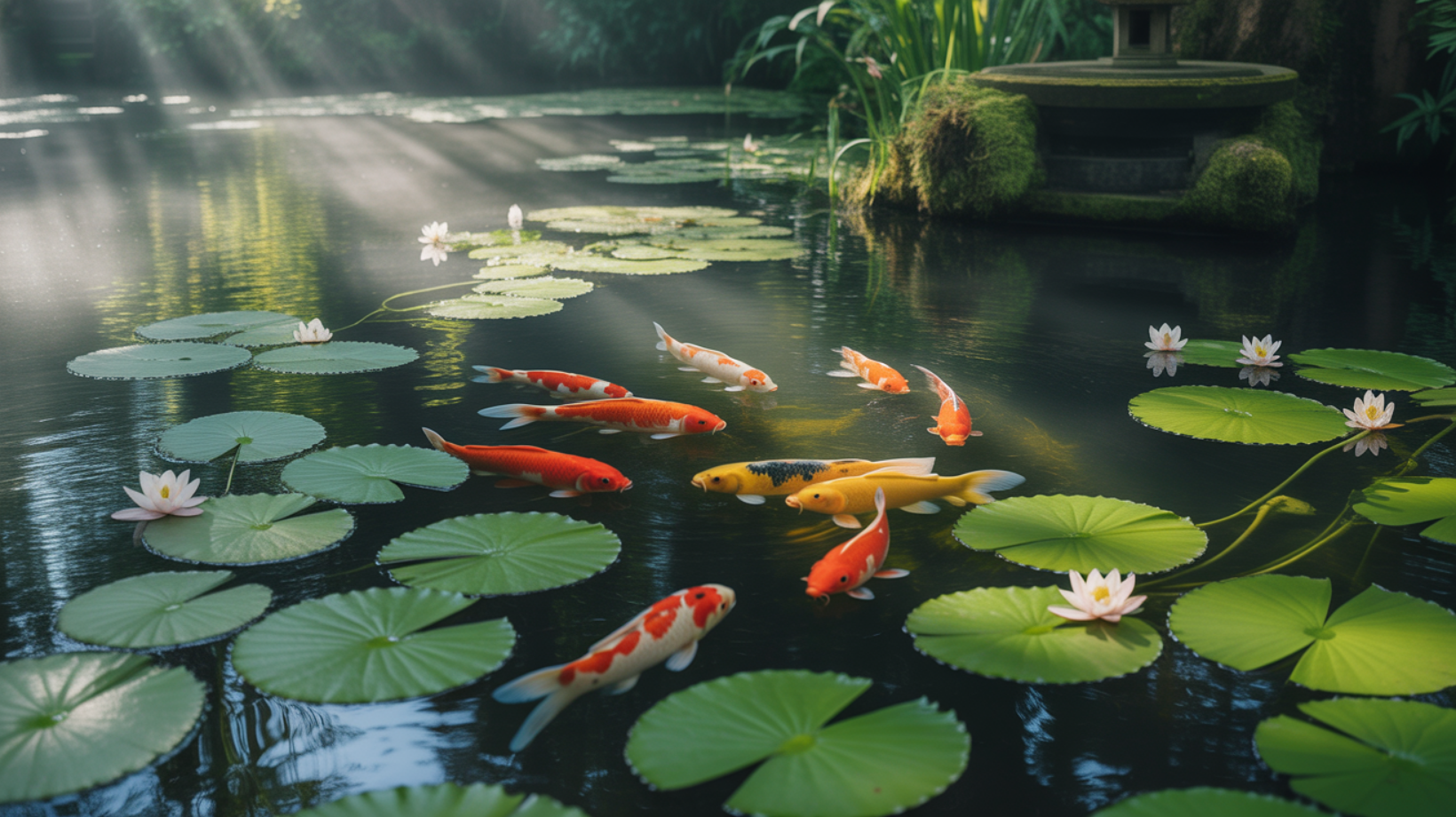
Floating plants such as water lilies and water lettuce are excellent for controlling sunlight. By covering the pond’s surface, they reduce the amount of light that algae needs to flourish. They also help to keep water temperatures cooler in summer, which is better for fish health.
Benefits of Floating Plants:
-
Provide shade to reduce algae growth
-
Absorb excess nutrients directly from the water
-
Offer shelter and protection for fish
Marginal Plants: Natural Filtration Around the Edges
Marginal plants grow around the shallow edges of ponds an dlakes, creating natural borders that help filter runoff water before it enters the pond. Common examples include cattails, irises, and pickerel plants. These plants stabilize the pond’s perimeter and reduce erosion while absorbing nutrients that would otherwise contribute to algae growth.
Benefits of Marginal Plants:
-
Act as a natural filter for water entering the pond
-
Absorb nutrients to help prevent algae blooms
-
Create habitats for beneficial insects and wildlife
Submerged Plants: The Oxygen Boosters
Submerged plants, often called oxygenators, are vital for keeping ponds healthy. Plants like hornwort, anacharis, and cabomba grow beneath the water’s surface, releasing oxygen directly into the pond. This oxygen supports fish and beneficial bacteria while also suppressing algae growth.
Benefits of Submerged Plants:
-
Increase oxygen levels in the pond
-
Compete with algae for nutrients
-
Provide hiding places for small fish and fry
Plants + Natural Algae Control = Perfect Balance
While plants are powerful allies in pond health, they work best when combined with other natural solutions. Products like Aquaplancton and Microbe-Lift Products help restore balance by reducing sludge, neutralizing acidity, and breaking down organic waste that feeds algae.
Adding solar-powered pumps and aeration systems further enhances this balance by circulating water, preventing stagnation, and boosting oxygen levels for both plants and fish.
Final Thoughts
Pond plants are not just decorative—they’re essential for a healthy, thriving aquatic ecosystem. Floating plants reduce sunlight, marginal plants act as natural filters, and submerged plants boost oxygen levels. Together, they create an environment where algae struggles to grow, fish flourish, and water stays crystal clear.
F